
On the Water // A series on lessons learned, humility, and discovery
There’s a certain kind of silence on small water that’s hard to find anywhere else.
Not complete silence. The kind filled with moving current, wind in the trees, distant birds, and the occasional sound of a fly line catching branches behind you.
Small streams rarely announce themselves the way famous rivers do. They don’t have boat ramps crowded at sunrise. They aren’t featured in destination films or magazine covers. Most don’t hold the biggest fish you’ll ever catch.
And yet, for many of us, small water is where the connection begins.
Maybe because they feel approachable. Human-sized. You can walk beside them instead of floating through them. You notice individual rocks, root systems, undercut banks, the tiny current seams. Every bend is close enough to explore.
On small water, you become part of the environment instead of moving through it.
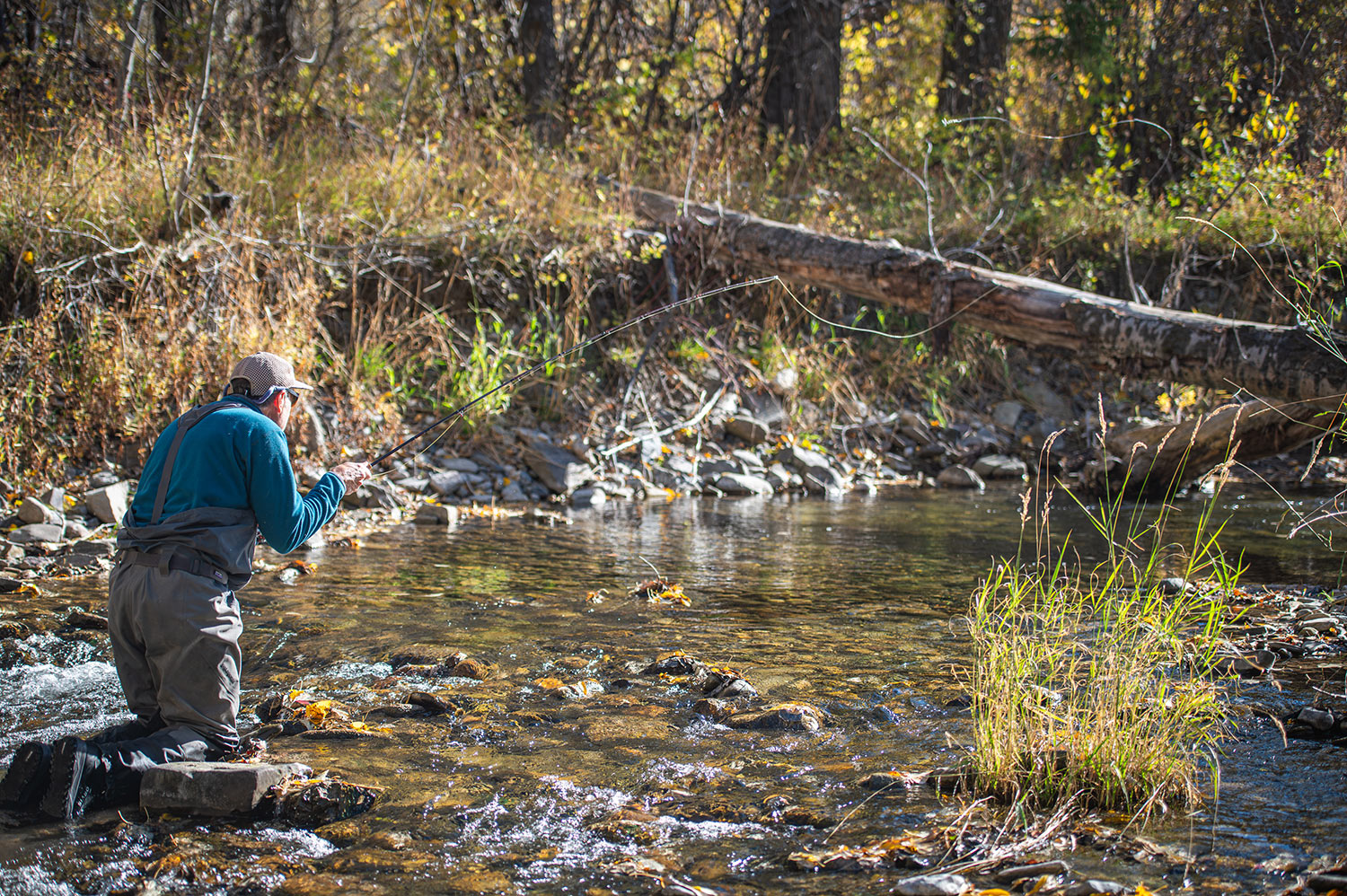
There’s a tributary off the Deerfield, narrow enough to step across in spots, that most people pass on Route 2 without a second glance. No pullout. No trail. Just a culvert and a guardrail and a trickle you’d miss at sixty miles an hour. Fish it with a 7-foot 3-weight and a bow-and-arrow cast under the trees, and it’s a different world.
Small streams demand your full attention. There’s no room for lazy casting. No endless mending from forty feet away. Usually no second chances. You crouch lower. You move slower. You start thinking carefully about every step.
The fish are often wild, opportunistic, and surprisingly unforgiving. A sloppy cast or a careless shadow can empty a pool instantly.
But when it comes together, when a good drift disappears under overhanging branches and a trout flashes from nowhere, the moment feels bigger than the fish.
Not because it was huge. Because you had to earn it.
Small water has a way of sharpening your instincts. You learn to read subtle water. To anticipate where fish should be. To appreciate moments instead of numbers.
You start remembering individual pools. Specific fallen trees. Certain bends that always seem to hold fish in late summer.
These places become familiar in a deeply personal way.
There’s something honest about fishing small water. No crowds. No pressure to perform. No obsession over measurements or photos. Just moving water, careful casts, and the quiet hope that something might rise.
Maybe that’s why so many anglers return to small streams even after fishing larger, more famous places. Not because small water is better. Because it reminds us what we loved about fishing in the first place.
Sometimes the most meaningful days on the water happen in places most people drive right past without noticing.
And maybe that’s exactly the point.

1 comment
Rich Strolis
My kind of stuff great read
Leave a comment
All comments are moderated before being published.
This site is protected by hCaptcha and the hCaptcha Privacy Policy and Terms of Service apply.