
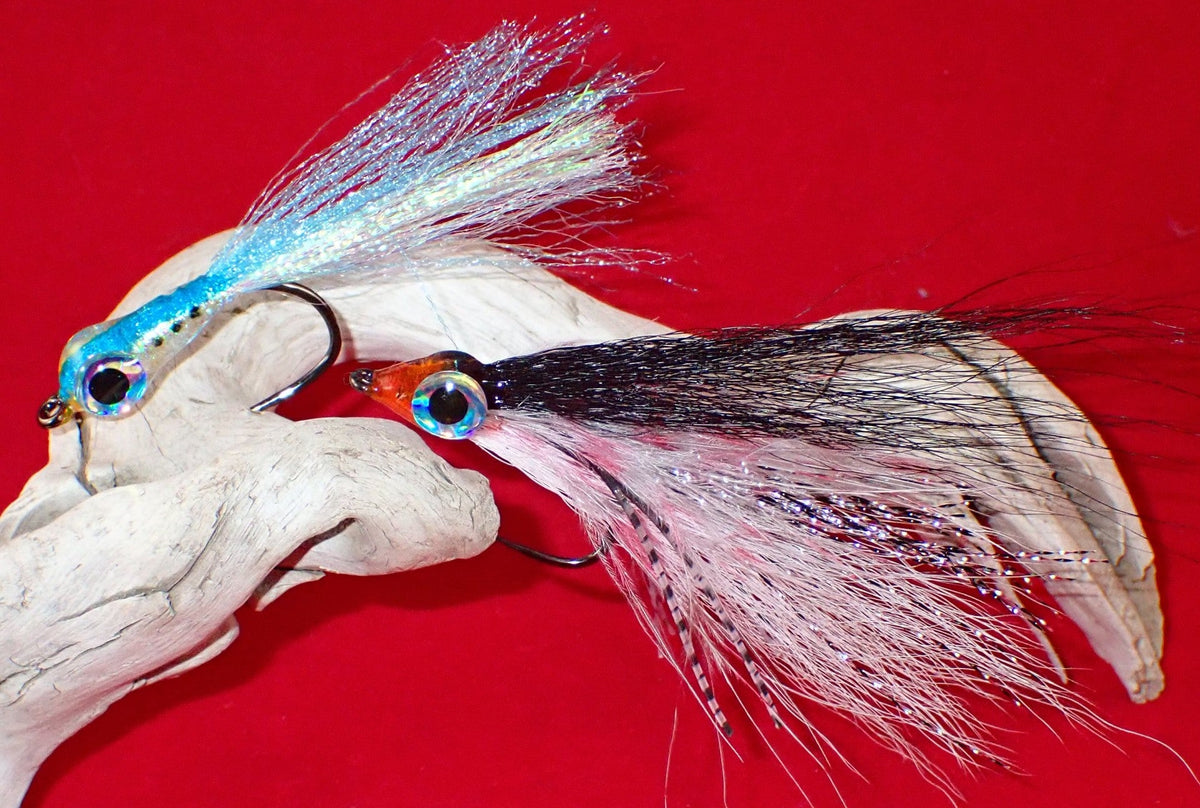
Predators, Prey and Angler Safety
A barbless hook shortens every bad minute of an inshore release, for the fish and for your fingers.
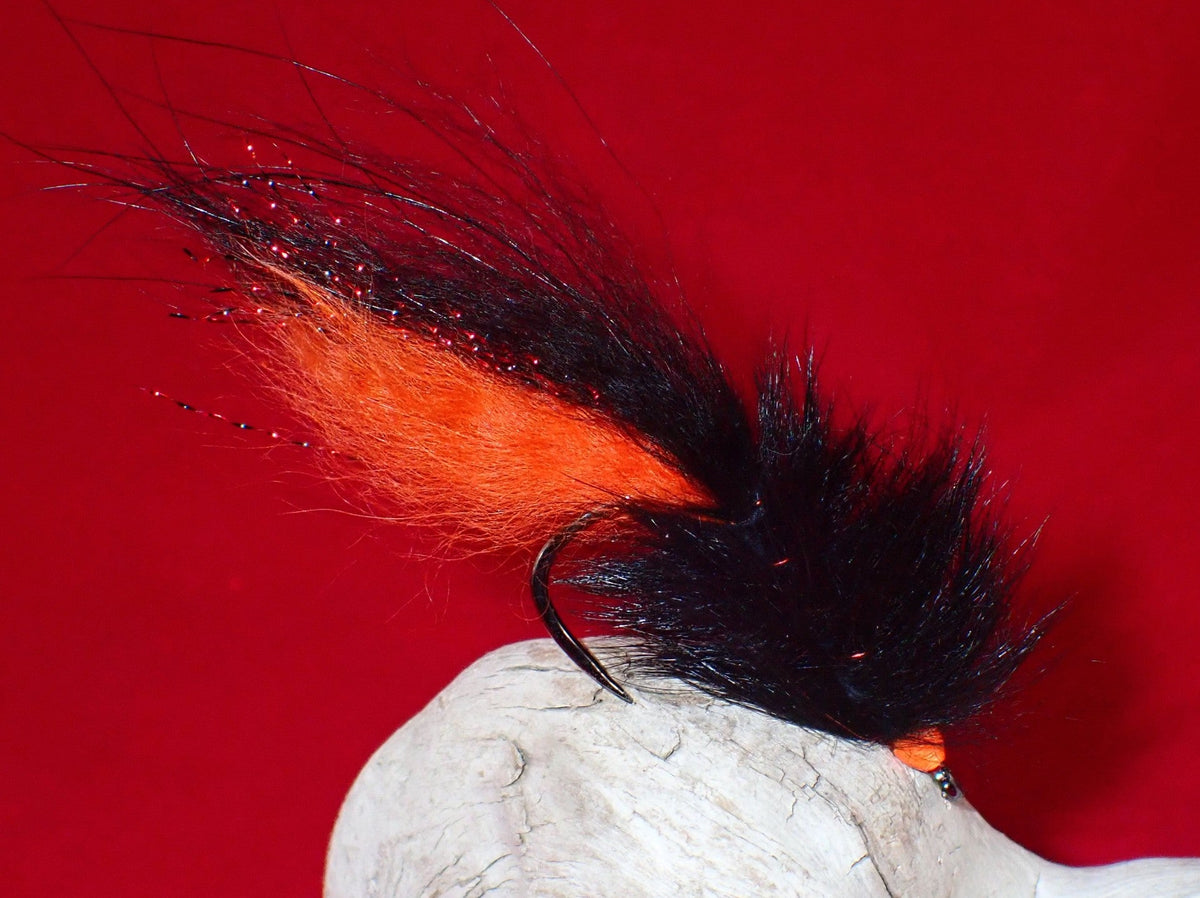
The Pine Squirrel Bugger: One Streamer for Leech, Sculpin and Salmonfly Nymph
Leeches, sculpins and salmonfly nymphs are in the river every month of the year. This is one fly for all three.
A strong hook isn't simply a thick hook. Wire diameter, steel, heat treatment, and geometry all decide how a hook holds, bends, or breaks.
How to Choose the Right Hook Size for a Fly Pattern
Three size 14 hooks can be three different hooks. Choosing a size for a pattern means thinking in proportions, not just matching the number.
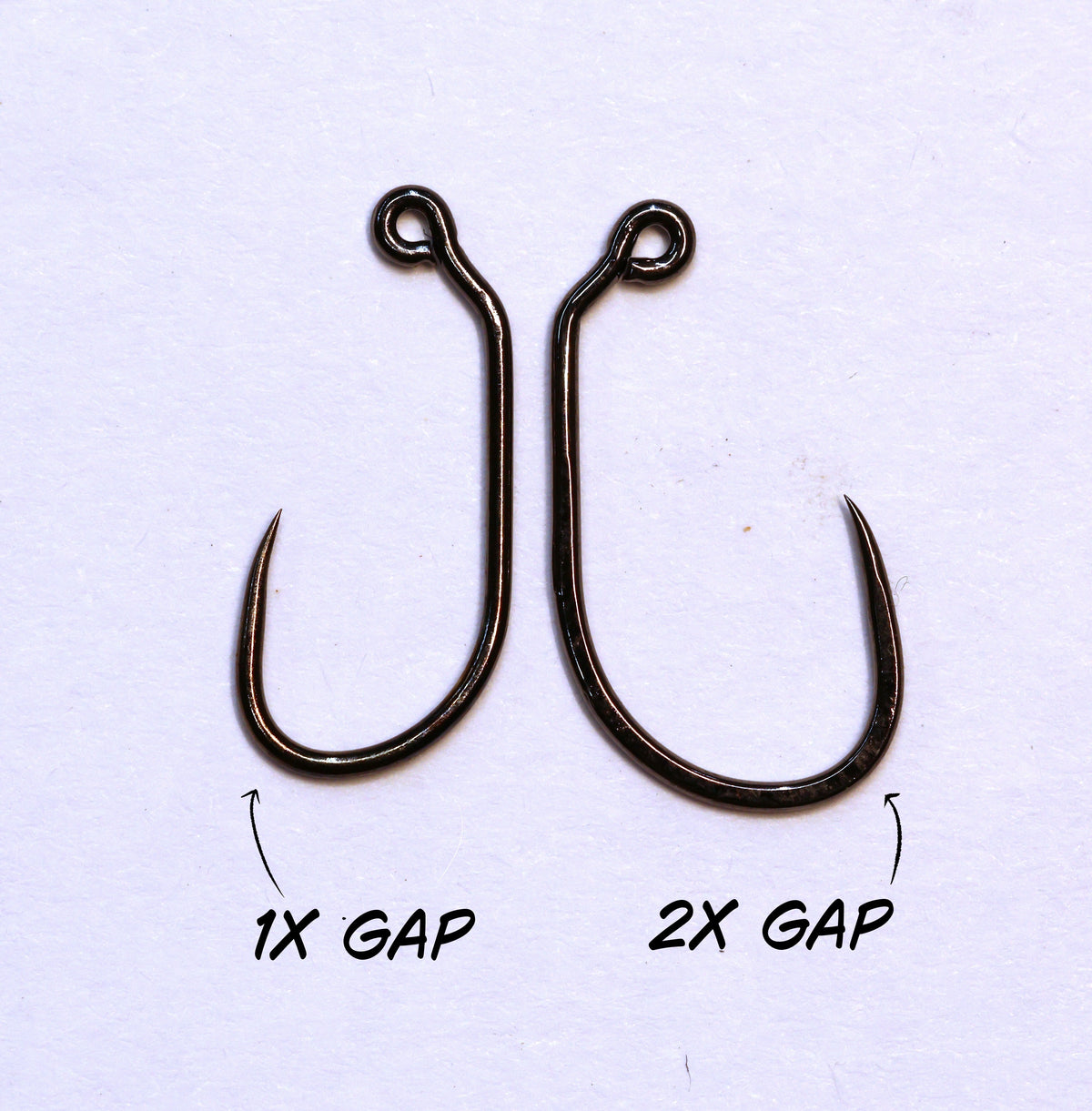
Hook Gape Explained: Standard, Wide Gape, and Why It Matters
Two hooks can be the same size and leave very different room between point and shank. Here is what gape does, what wide gape is for, and how to choose.
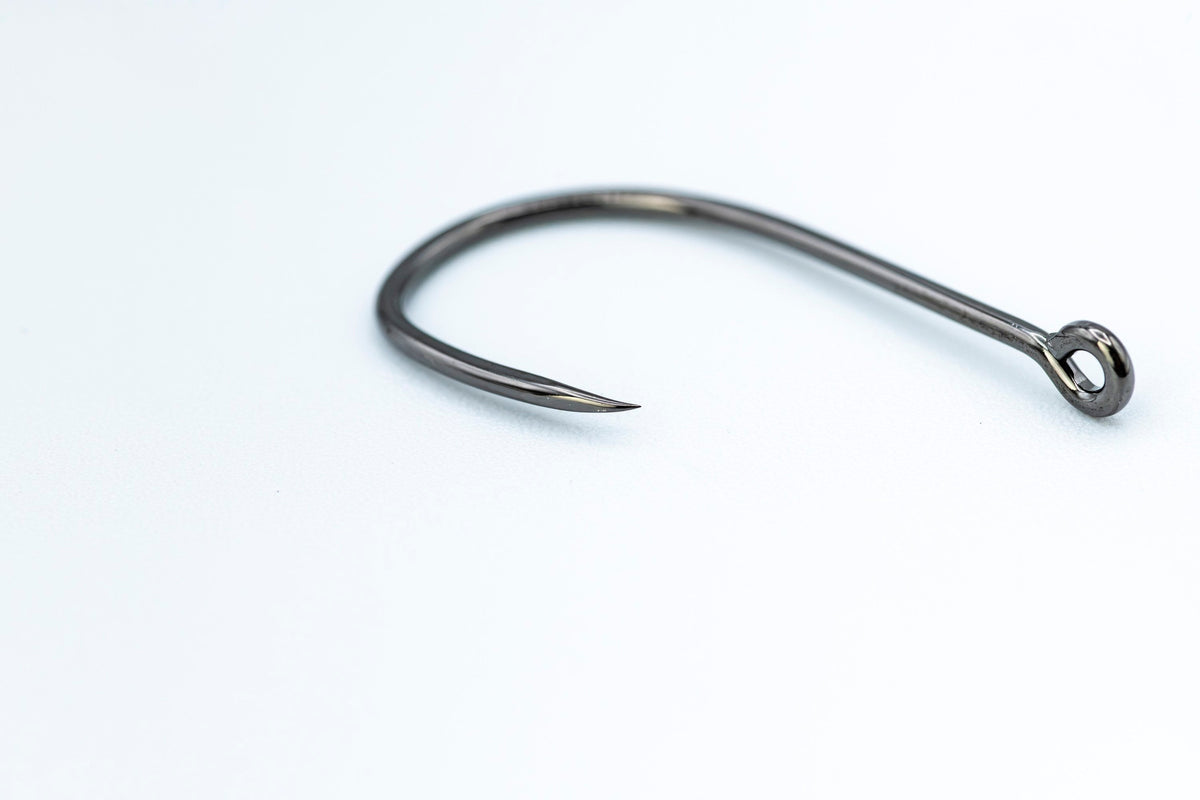
Hook Points Explained: Sharpness, Taper, and What Makes One Good
Sharpness gets the attention, but a hook point is taper, style, position, and geometry too. Here is what makes one good, and what "chemically sharpened" means.