
From the Bench // Practical fly tying, one pattern at a time
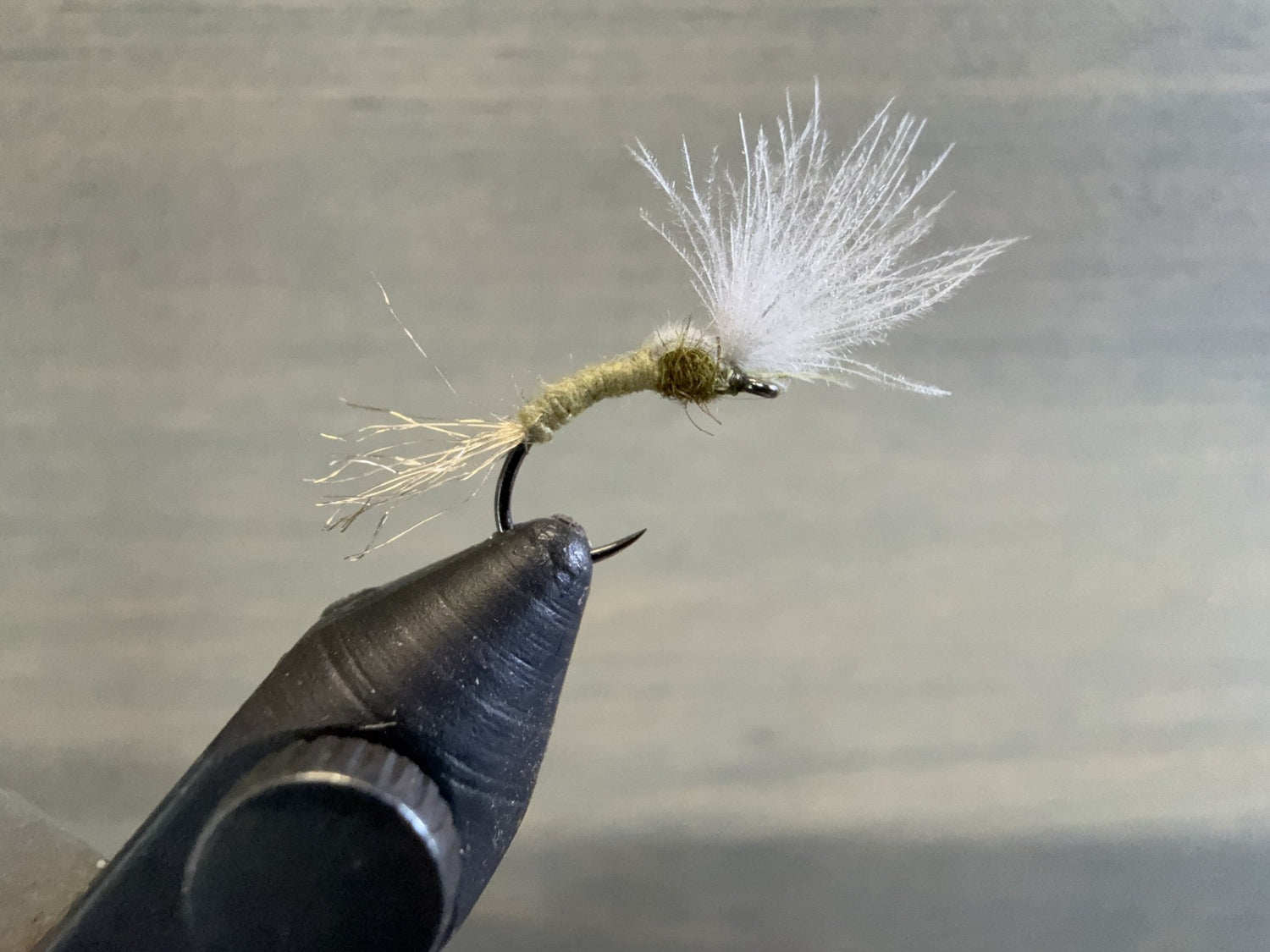
A Simple BWO Emerger for Finicky Trout
Blue-winged olives are one of the most reliable hatches in the country. On some water they come off nearly the whole season, in spring, in fall, on gray drizzly days when nothing else is moving. And on hard-fished, wild-trout water, the fish that rise to them often won't touch a dun.
That's the frustration that sends people home. You see noses working the surface, you tie on a picture-perfect BWO dry, and you get refused all afternoon. The problem usually isn't your drift. It's your stage. Those trout aren't eating adults sitting up on the film. They're eating emergers, the ones stuck halfway out of the shuck, unable to fly, the easiest meal in the drift.
Match that stage and everything changes. Here's a simple emerger that does it.
The Recipe
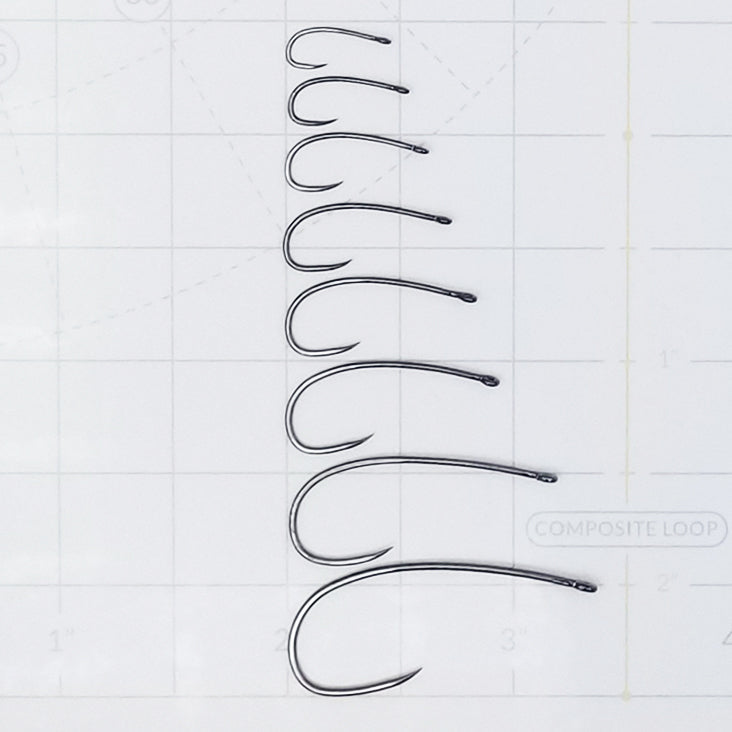
Hook: Firehole 315, #16-#22
Thread: Olive
Shuck: Amber sparkle yarn, sparse
Body: Olive kapok dubbing
Thorax: Olive hare's ear dubbing
Wing: A single dun-colored emerging wing
Tying it
- Start the thread and tie in a short, sparse amber sparkle yarn shuck at the bend of the 315. Keep it thin. Too much shuck and it stops looking vulnerable and starts looking like a mistake.
- Dub a slim body forward with olive kapok. Kapok is buoyant and wants to stay sparse, which is exactly right here. A thin, low-riding profile is what fools these fish. A fat body is a refusal.
- Tie in the dun CDC wing with the tips pointing forward over the eye. Pull it back out of the way and dub a small olive hare's ear thorax.
- Pull the wing forward over the top of the thorax and tie it down behind the eye, so the tips face forward. Whip finish. No hackle. The shuck, the low body, and that swept wing do all the work.
Fishing it
Fish it in the film, not on top of it. Grease the leader to within a few inches of the fly and let the emerger sit low in the surface. Track it like a dry, watch for the quiet sip rather than a splash, and set gently. On technical water, that low-riding profile is often the difference between watching fish eat and catching them.

Leave a comment
All comments are moderated before being published.
This site is protected by hCaptcha and the hCaptcha Privacy Policy and Terms of Service apply.