
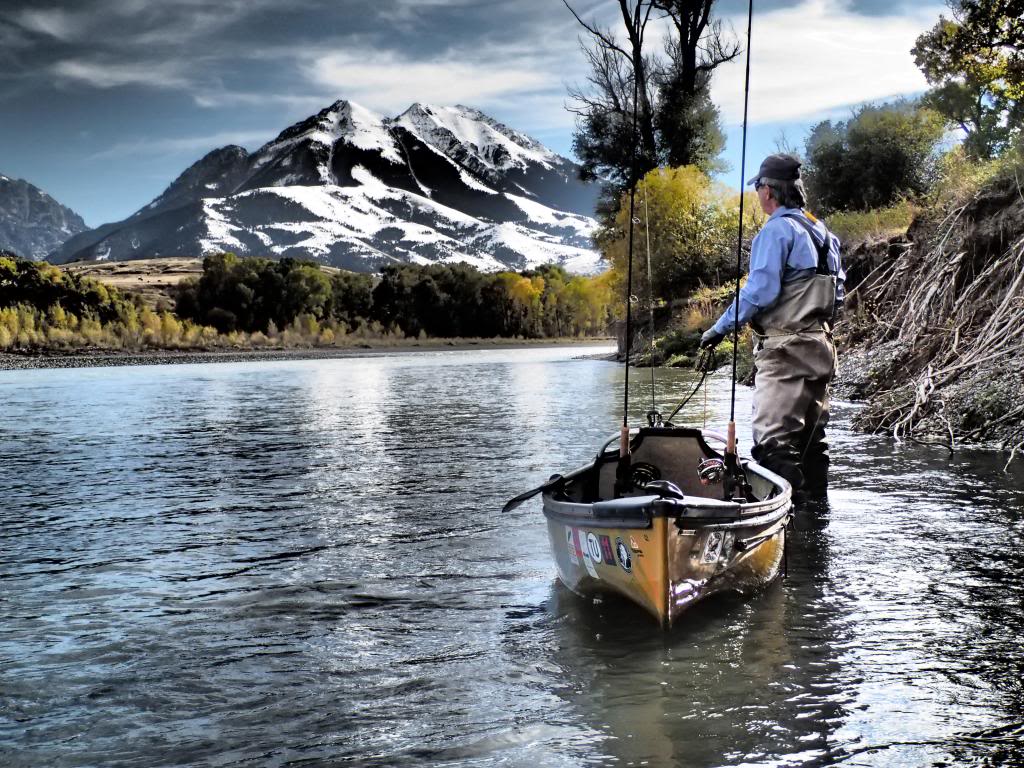
I'm Mike Cline and have lived in Bozeman, Montana since 2008. After 28 years in the USAF and 22 years consulting, Bozeman became my retirement home in the heart of the best trout fishing in the US. I have a lifetime of fly tying experience and try to share that experience by donating or giving away thousands of flies annually to my local Trout Unlimited chapter, FFI shows and anglers I meet stream-side. 100% of my freshwater flies and at least 90% of saltwater patterns are tied on Firehole Sticks.
Fly Tying Experience
Years Tying Flies: Since 1962
How You Got Started
I learned to tie at the age of 14 in 1962 from a Pasadena Casting Club sponsored beginners fly tying class. Learned how to cast a fly rod from the same folks. Got my first real fly rod, a Fenwick FF70, in 1970 after returning from Vietnam. Started regularly tying and fishing my own flies plying the waters of Eastern Washington in the early 1970s. Multiple USAF tours at McChord AFB in Tacoma, Malmstrom AFB in Montana, Alaska and in Central Alabama provided unique opportunities to tie flies for all sorts of target species, especially in places like Yellowstone. Got to spend over ten years overseas in the Philippines, England, Germany and Turkey, occasionally breaking out the fly rod and generating a few flies for local targets. Got my first real taste of inshore saltwater fly fishing and Minnesota/Canada smallmouth and pike fishing during my last few years in the service. Spent the first 12 years of retirement in Central Alabama and fly tying helped tackle bass and other warm water targets. Routine trips to the Gulf for some inshore saltwater fly fishing got me going big time on saltwater patterns. Moving to Bozeman in 2008, I reunited with many great streams I visited during my service years. Fly tying is now part of the daily routine and just about any pattern is on the table with the exception of fancy salmon and steelhead flies.
Favorite Pattern to Tie
Although I tie just about any kind of relevant pattern, my favorite streamer is a Pine Squirrel Bugger on the Firehole 811. My favorite dry fly is a toss up between Moose Humpies or some manner of parachute on the Firehole 419. When it comes to saltwater patterns, Dancing Deceivers on the Firehole 801 and 802P are the go-to pattern for inshore targets.
Favorite Species & Waters
Target Species: It is hard to beat the brown, cutthroat and rainbow trout waters of SW Montana and Yellowstone National Park. My favorite inshore saltwater targets are speckled trout and snook in the Tampa Bay region.
Favorite Waters to Fish: SW Montana, Yellowstone National Park, and the inshore flats of Tampa and Sarasota Bay
Fly Tying Style & Specialties
Most certainly my fly tying skills have evolved and improved over the decades. New techniques and materials are incorporated easily. A Florida guide I fished with had a mantra that encapsulates my style:
A fly has to be easy to tie.
A fly has to catch fish.
A fly has to be durable.
Why You Trust Firehole
I met Joe Mathis in Bozeman when he started Firehole Outdoors and wrote about him in Fly Tyer Magazine. As the hook models he designed expanded, my stock of Firehole models expanded and the patterns tied on them saw more and more use on the water. I had always encouraged Joe to produce a good saltwater barbless hook, and when the 801P, 802P and 803P models came out, they proved themselves in the salt on the inshore flats of Tampa and Sarasota Bay. When I am on one of Montana's famous trout streams, I am fishing a Firehole Stick because they work.
Social Media & Links
- pnwflyfishing.com as Mike Cline
- theflyfishingforum.com as mikemac1
- myflyvise.com as Mike Cline
Gear & Bench Setup
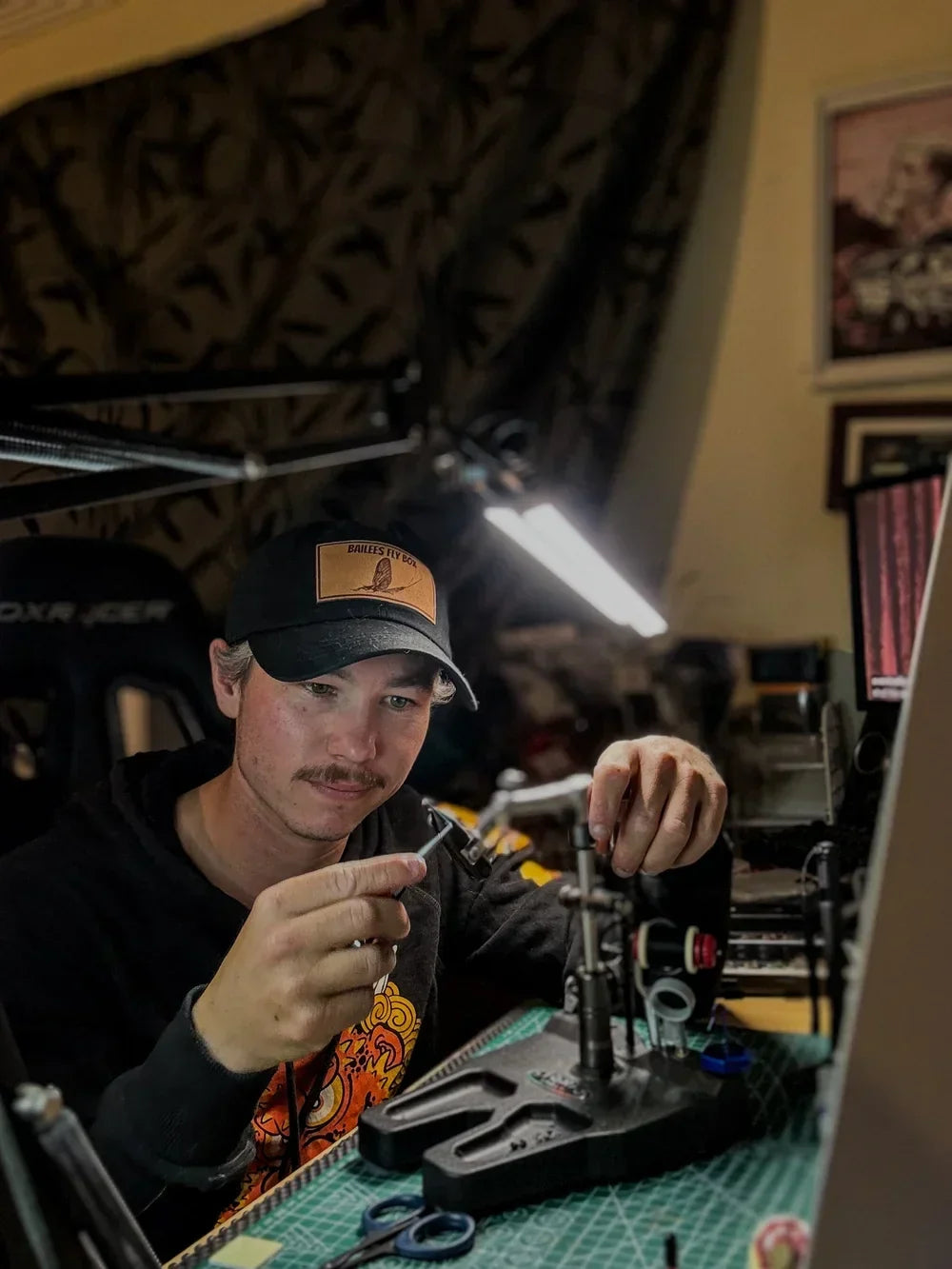
I started serious tying on a Thompson Model A vise in the 1970s. When I first got started saltwater tying in the early 1990s, the Thompson proved a bit underpowered for the bigger saltwater hooks. I splurged on a Dyna King Barracuda Indexer which has served me well for over 30 years. With extra midge jaws you can tie just about anything from #22 to 6/0. When it comes to materials, well, 50+ years stockpiling hooks, fur, feathers, thread, synthetics and the rest stretches the capacity of the room I tie in.

Leave a comment
This site is protected by hCaptcha and the hCaptcha Privacy Policy and Terms of Service apply.