
The Long View // A series on legacy, philosophy, and stewardship
Craftsmanship in a Disposable World
Every fly ends one of three ways.
Some get lost. A rock at the bottom of a run you swore was clear. The sycamores on a backcast. A sunken log. A trout that breaks the tippet and swims off wearing it.
Some get used up. Twenty fish later the dubbing is thin, the wing is mostly gone, and you still will not clip it off.
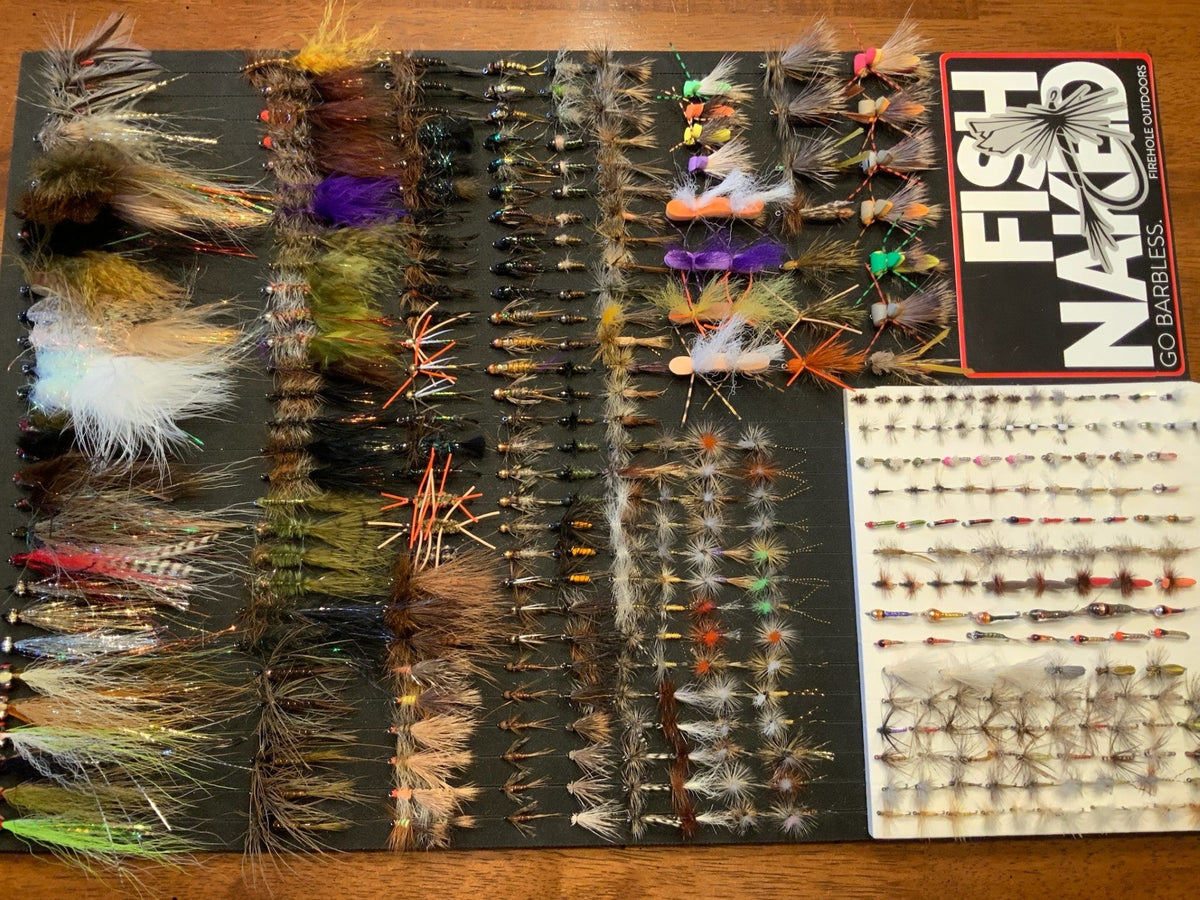
And some get retired. They caught nothing the one day you tried them, you stopped believing, and now they sit in a box with all the other flies you will never tie on again. Every fly angler has that box. Most have several.
Whichever way it goes, the hook goes with it. A fly hook is a consumable. You buy a pack, you tie through it, you fish what you tied, and one way or another you go through it and buy another pack. Even the flies we give away are meant to be fished.
The hook is the only part of the fly with a job in all three endings. When the fly is lost, the hook had one chance. When it is used up, the hook outlasted everything tied to it. When it is retired, the hook sits in the box still sharp, waiting for a fish that never came.
So it is fair to ask why anyone would put real care into something headed for one of those three places.
I have thought about that more this year than I expected to.
We live surrounded by things made to be thrown away, and most of them are made like it. Cheap because they are temporary. Temporary, so why bother. The logic holds right up until you are standing in the river with the one fly that is working, and the point rolls over on the first fish.
That is the thing about a disposable object. It does not get a reputation. It gets a moment. The care has to be in it before it leaves the pack, because there is no second try.
For something like this, craftsmanship is consistency. A point that comes out of the pack sharp and holds up when the fly starts ticking bottom. Geometry built for barbless from the start. Wire that behaves the way the last hook from the same pack did. None of it shows from across a fly shop. All of it shows in the moment between the take and the release.
There is a second reason, and it matters more to me.
When you tie a fly, you put twenty minutes of attention into something you fully expect to use up. That is a strange kind of generosity, and every tyer practices it without thinking. You do not tie worse because the fly is temporary. You tie it right because it is temporary. You may only get to fish it once, and you want that once to count.
The hook should meet the tyer at that same standard. If you are going to give a fly your full attention, the thing underneath it should have had someone's full attention too.
When so much is made to be thrown away, it is easy to stop caring about small things. Tying teaches the opposite. The fish never sees your rod or your reel or the truck you drove in. It sees the fly, and the fly is built on the hook.
So we keep making them carefully, knowing where they are headed. Into the rocks. Into the trees. Down to bare thread after a good day. Into a trout that breaks the tippet and swims off with it.
We build every one barbless, for that last one most of all.
~ John

Leave a comment
All comments are moderated before being published.
This site is protected by hCaptcha and the hCaptcha Privacy Policy and Terms of Service apply.