
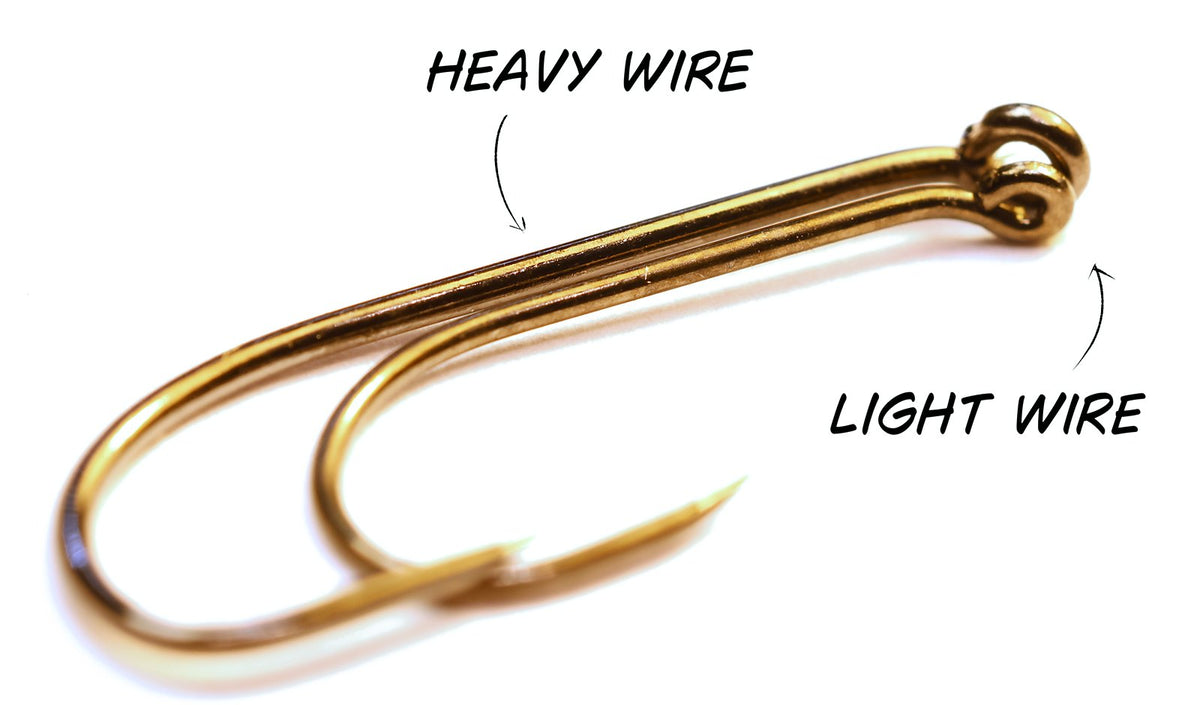
Hook Wire Weight: Fine, Standard, and Heavy Explained
Two hooks can be the same size and fish nothing alike, because of the wire. Here is what fine, standard, and heavy wire actually do, and how to pick.
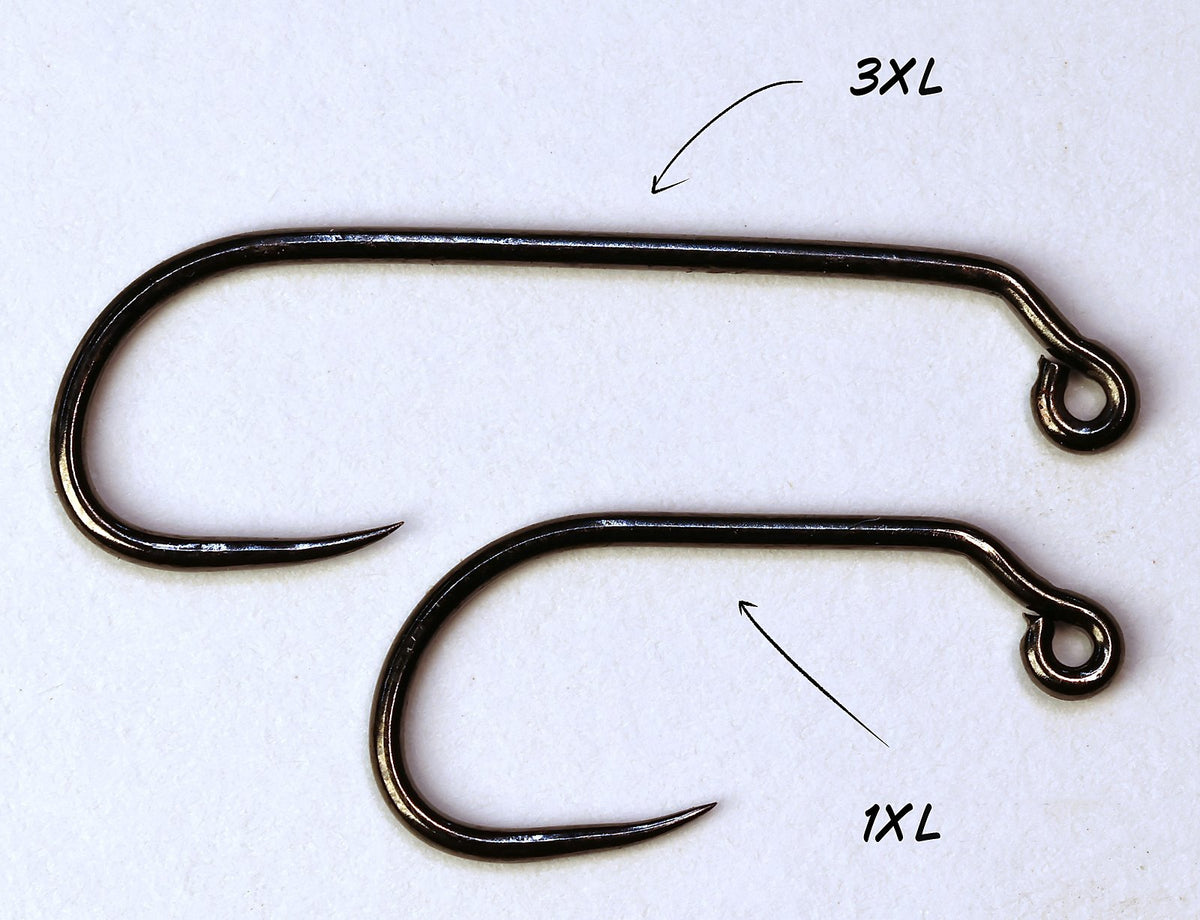
The Hook X System: Reading 2X Long, 2X Gape, and 2X Heavy
"2X long." "2X heavy." "2XG." The X system is shorthand for how a hook's proportions differ from a standard hook of the same nominal size. Here is how to read the tags.
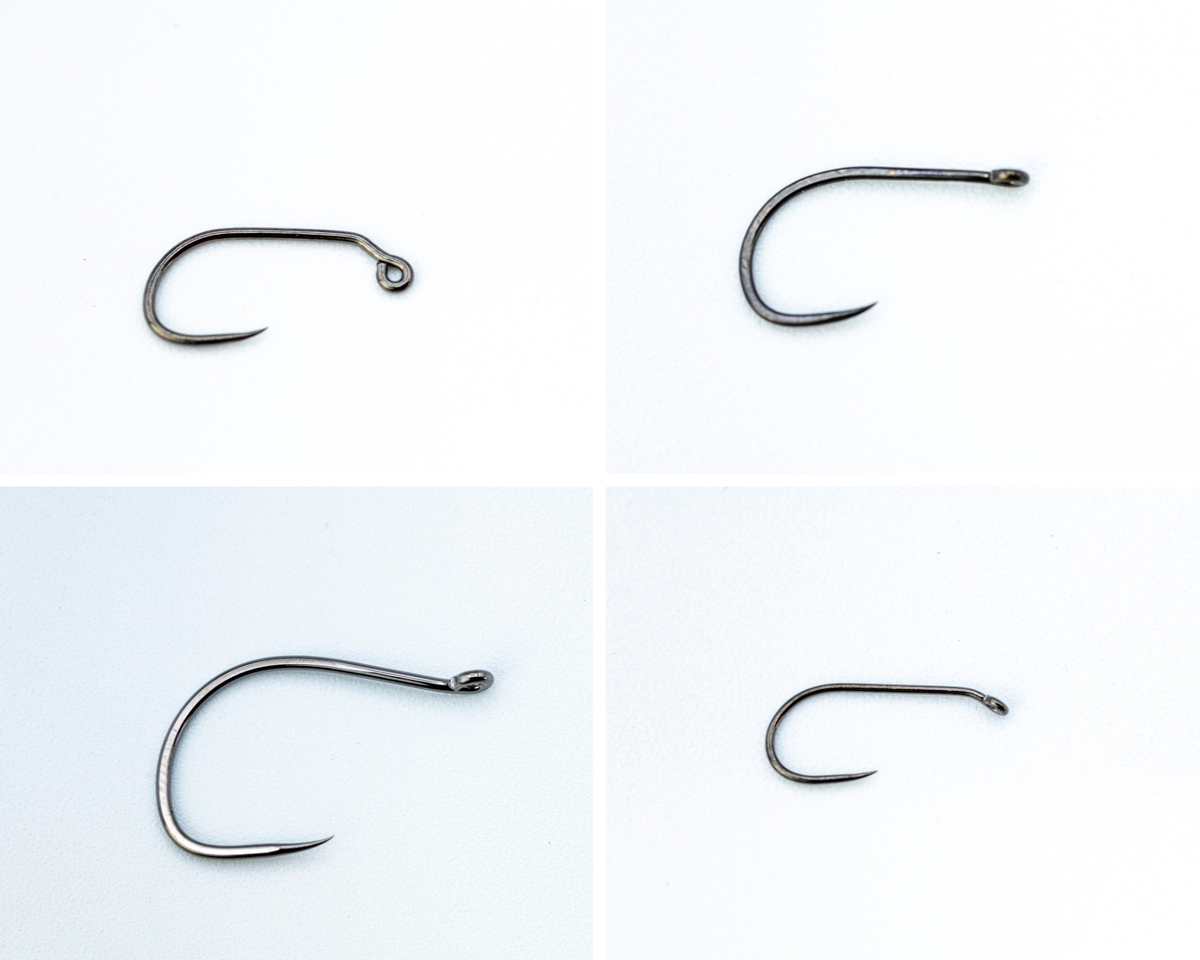
Hook Eye Types Explained: Straight, Down, Up, and Jig Hooks
Straight, down, up, or jig. The front of a hook comes in a few basic shapes. Here is what each one actually does at the vise and in the water.
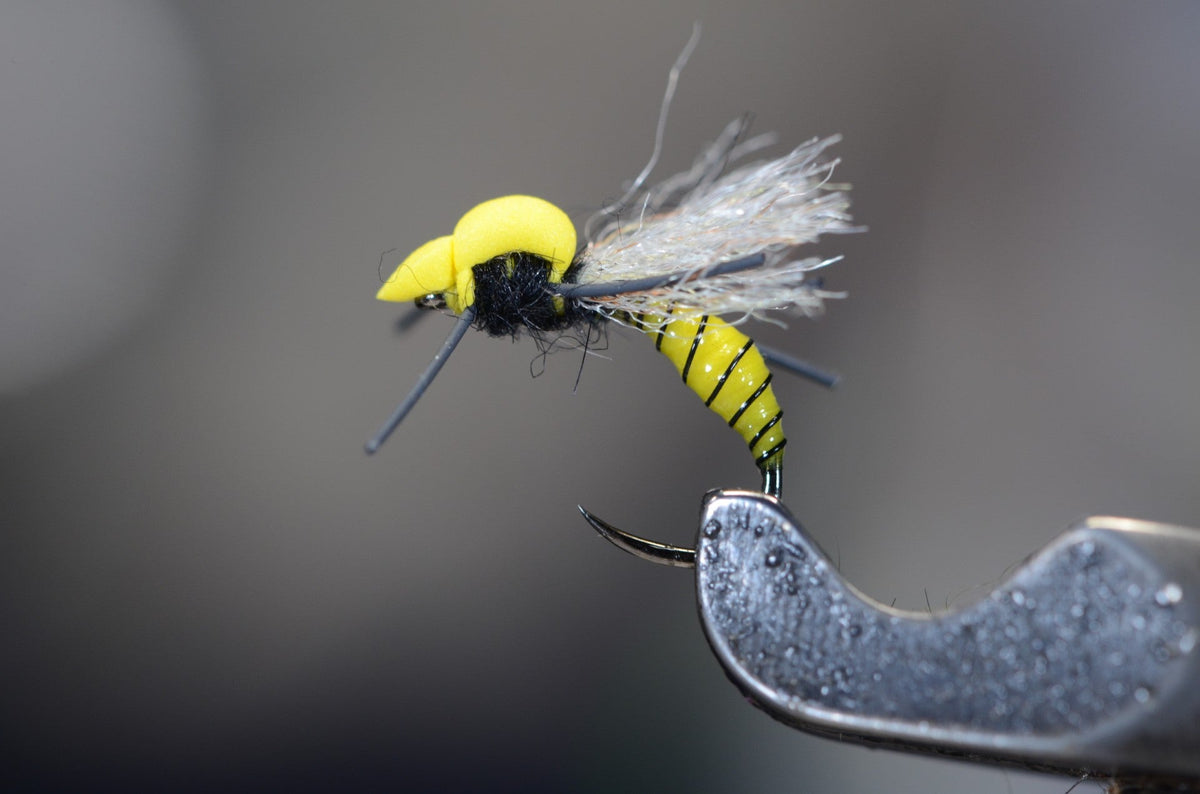
The Buzz Viper: Fishing Bees and Wasps in Late Summer
The hopper is the right fly for a hay field. Most trout water is not a hay field.
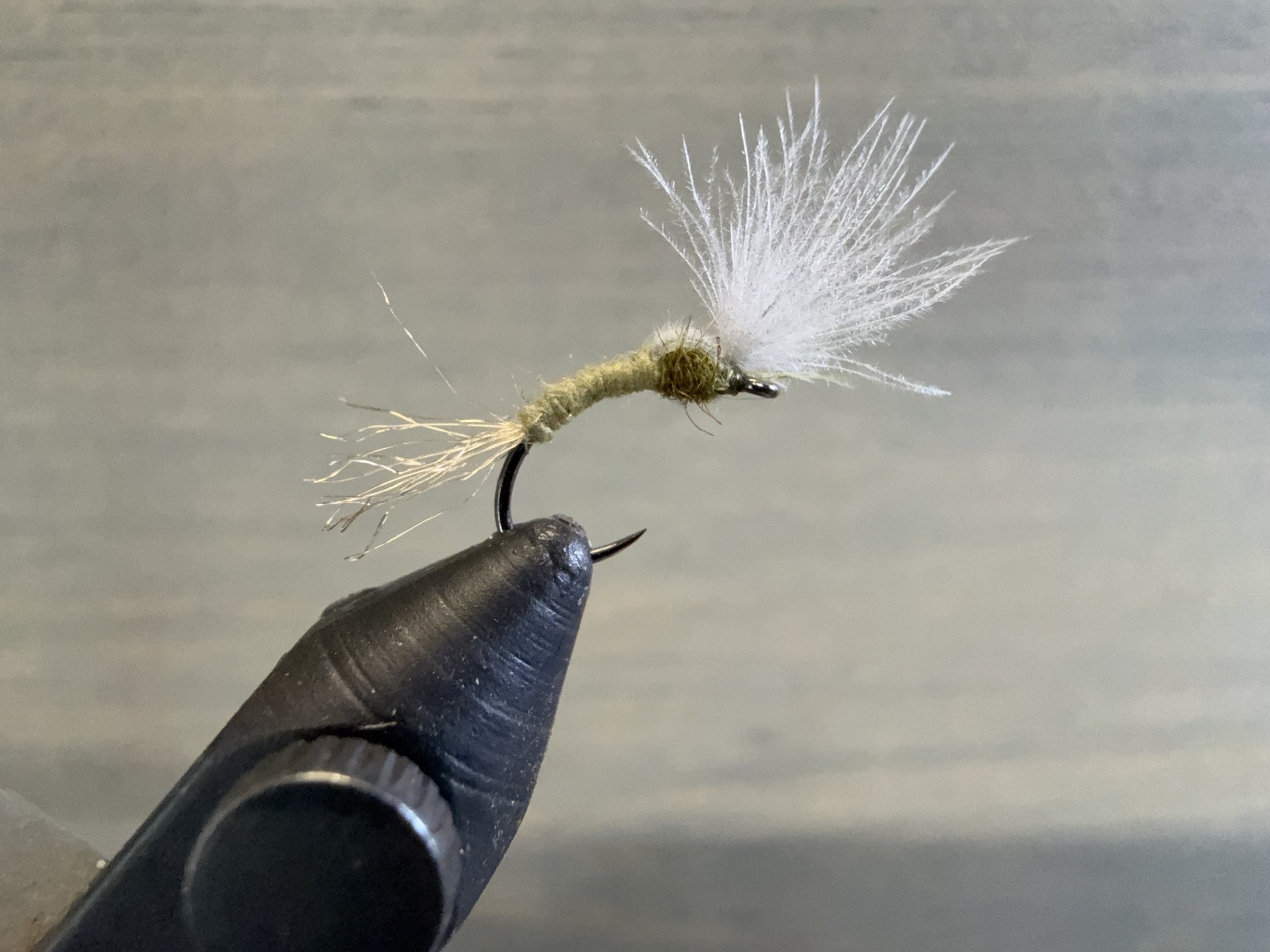
A Simple BWO Emerger for Finicky Trout
When rising trout refuse a perfect dun all afternoon, the problem usually isn't your drift. It's your stage.
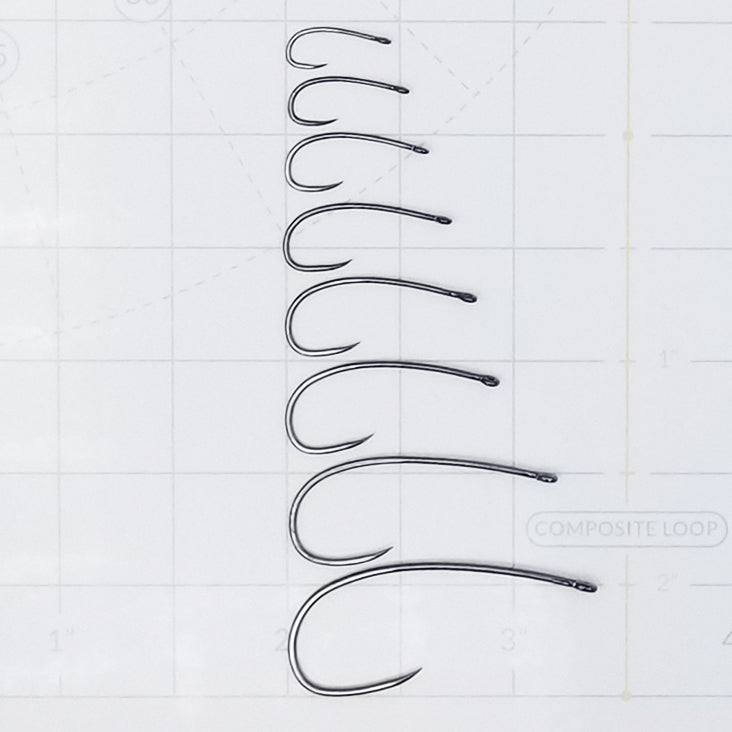
What Firehole Hook Replaces the One You Already Tie On?
Find the Firehole hook that stands in for your TMC, Mustad, Ahrex, Hanák, or Fulling Mill hook. A model-by-model barbless cross-reference, each match called direct or approximate, with full specs b...